
Advanced Laser and Skin Correction Clinic
Aesthetics and Beyond
We specialise in treating complex skin concerns — including pigmentation, tattoo removal, vascular lesions, and skin rejuvenation — using multiple laser platforms tailored to your skin, not a one-size approach.
Trusted for corrective work, difficult cases, and clients who want clinically sound outcomes.
Call or text the clinic on 022 040 5906


NAD+ Therapy for Energy, Recovery and Cellular Health
Heading 2
Restore your energy, focus, and overall vitality with NAD+ therapy.
This advanced treatment supports cellular repair at a fundamental level, helping improve fatigue, mental clarity, and recovery.
At The Appearance Clinic, we deliver NAD+ in a controlled, clinical setting for safe, effective results.
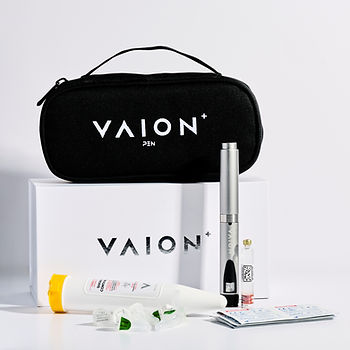
NAD+ (Nicotinamide Adenine Dinucleotide) is a coenzyme found in every cell of the body.
It plays a key role in:
-
energy production
-
cellular repair
-
brain function
As we age, NAD+ levels decline — which can impact energy, recovery, and overall wellbeing. By 30 we've lost 50%!

Clients may experience:
-
Increased energy and reduced fatigue
-
Improved mental clarity and focus
-
Faster recovery from stress or illness
-
Support for healthy ageing
-
Enhanced overall wellbeing
We provide NAD+ treatments for clients across Rotorua and the Bay of Plenty, offering a clinical approach to energy, recovery, and wellbeing.
NAD+ is not a replacement for medical treatment.
Suitability is assessed prior to treatment to ensure it is appropriate for your individual needs.
Published research exploring NAD metabolism, sirtuins, Psoriasis, rosacea, anti ageing, Arthritis (RA) and menopause
Human randomized controlled trial — NAD⁺ augmentation with nicotinamide riboside, 2026
Han K, et al. — “NAD+ augmentation by nicotinamide riboside engages SLIT2/ROBO1 signaling to attenuate Th17 inflammation in psoriasis.”
JCI Insight, 2026. PMID: 42048163. DOI: 10.1172/jci.insight.203826
People with mild-to-moderate psoriasis were randomized to nicotinamide riboside (NR) 500 mg twice daily or placebo for four weeks. NR is an NAD⁺ precursor and raises NAD⁺ availability.
The researchers found reduced Th17 immune responsiveness and identified a mechanism involving SLIT2/ROBO1 signalling. That's particularly interesting because Th17-driven inflammation is central to psoriasis pathophysiology.
Direct NAD⁺ augmentation — psoriasis model, 2022
Lee et al. — “Augmentation of NAD+ by Dunnione Ameliorates Imiquimod-Induced Psoriasis-Like Dermatitis in Mice.”
PMID: 35991005
This is particularly useful for explaining the NAD⁺/SIRT1 mechanism.
Increasing the NAD⁺/NADH ratio restored SIRT1 activity and reduced inflammatory signalling. The researchers observed reductions in psoriasis-associated cytokines including IL-17, IL-22 and IL-23.
Their conclusion was that pharmacological modulation of cellular NAD⁺ could represent a potential therapeutic approach to psoriasis-like disease. Again, this is preclinical animal evidence, not a human NAD⁺ trial.
The Role of Nicotinamide Mononucleotide Supplementation in Psoriasis Treatment.”
PMID: 38397784
This directly investigated NMN, another NAD⁺ precursor.
In psoriasis models, NMN reduced excessive epidermal proliferation, inflammation and oxidative stress. Importantly, researchers found SIRT1 was reduced in human psoriatic lesions and that NMN restored SIRT1 activity in the experimental model.
When SIRT1 was knocked down, the beneficial effect of NMN was substantially lost, supporting an NMN → NAD⁺ → SIRT1 mechanism. This is compelling mechanistic evidence, but it is not a human treatment trial.
Scleroderma
Shi B, et al. “Targeting CD38-dependent NAD+ metabolism to mitigate multiple organ fibrosis.” iScience, 2021. PMID 33385109.
PubMed – NAD⁺ metabolism and systemic sclerosis
Researchers found that CD38, an enzyme that consumes NAD⁺, was increased in skin from patients with systemic sclerosis, and higher CD38 was associated with greater clinical and molecular fibrosis.
They then boosted NAD⁺, including through NAD⁺ precursor supplementation, and found protection against skin, lung and peritoneal fibrosis in experimental models. Their mechanistic work indicated that increased CD38 depleted NAD⁺ and reduced sirtuin activity, promoting fibrosis; restoring NAD⁺ metabolism had the opposite effect.
Decreased Serum Levels of SIRT1 and SIRT3 Correlate with Severity of Skin and Lung Fibrosis and Peripheral Microvasculopathy in Systemic Sclerosis.” Journal of Clinical Medicine, 2022. PMID 35268452.
PubMed – SIRT1/SIRT3 and systemic sclerosis
This studied 80 patients with systemic sclerosis and 71 healthy controls. Both SIRT1 and SIRT3 were significantly reduced in patients, and lower levels correlated with more extensive skin fibrosis, interstitial lung disease, poorer pulmonary function and greater microvascular damage. SIRT1 and SIRT3 are NAD⁺-dependent enzymes.
Systemic Inflammatory and Oxidative-Metabolic Alterations in Rosacea: A Cross-Sectional Case-Control Study” — 2026
This involved 90 rosacea patients and 90 healthy controls. The researchers measured systemic inflammatory and metabolic biomarkers and found that people with rosacea had significantly lower circulating SIRT1 and SIRT3, together with increased systemic inflammatory markers. SIRT1 was independently inversely associated with rosacea risk.
Woźniacka A, Sysa-Jedrzejowska A, Adamus J, Gebicki J. “Topical application of NADH for the treatment of rosacea and contact dermatitis.” Clinical and Experimental Dermatology. 2003. PMID: 12558633.
This is the most directly relevant paper because the investigators actually used NADH (the reduced form of NAD) in people with rosacea. They used topical 1% NADH and reported improvement without observed adverse effects. It is an early, small study rather than evidence for systemic NAD⁺ therapy, but it directly connects the NAD system with rosacea treatment.
Menopause /Hormones
A 2026 human clinical trial is particularly relevant:
Holmes et al. — “Nicotinamide riboside and pterostilbene reduces frequency and severity of undesirable symptoms of the menopause transition: an open-label, pilot clinical trial.” PMID 42211736.
Forty women over 35 received nicotinamide riboside (NR) 250 mg + pterostilbene 50 mg daily for seven days. Among the women experiencing menopausal symptoms, researchers reported significant reductions in the frequency and severity of hot flushes, poor sleep and bloating, together with a significant increase in the estradiol-to-estrone (E2/E1) ratio
Is NAD+ a key factor in ovarian aging and dysfunction? Insights and uncertainties from current research†. There is also a growing body of research around NAD⁺ decline and ovarian ageing, including follicular reserve, oocyte quality and endocrine function. A 2026 review specifically examines NAD⁺ metabolism and ovarian ageing/dysfunction
Rheumatoid Arthritis
Pérez-Sánchez et al. — “Preclinical Characterization of Pharmacologic NAD+ Boosting as a Promising Therapeutic Approach in Rheumatoid Arthritis.”
Arthritis & Rheumatology, 2023. PMID 37094367. DOI 10.1002/art.42528.
Arthritis
Altered nicotinamide adenine dinucleotide metabolism drives cartilage degeneration and osteoarthritis.” Clinical and Translational Medicine, 2025. PMID 41194652. DOI 10.1002/ctm2.70513. Researchers found reduced NAD⁺ levels in human osteoarthritic cartilage. They then investigated increasing NAD⁺ using the precursors NMN and NR in experimental models. Increasing NAD⁺ was associated with reduced cartilage degeneration in ageing and surgically induced osteoarthritis models.
Anti - Ageing
Simulation of the Elastin and Fibrillin in Non-Irradiated or UVA Radiated Fibroblasts, and Direct Inhibition of Elastase or Matrix Metalloptoteinases Activity by Nicotinamide or Its Derivatives
Neena Philips 1, Jovinna Chalensouk-Khaosaat 1, Salvador Gonzalez 1
Affiliations expand
-
PMID: 29658877
Skin Ageing and Elastin. There is good mechanistic evidence around NAD⁺ metabolism and skin ageing. A useful paper found that nicotinamide and related compounds increased elastin, fibrillin-1 and fibrillin-2 expression in human dermal fibroblasts and inhibited elastase and several MMPs.
PubMed – Nicotinamide, elastin and fibrillin research
There is also direct evidence that NAD⁺ metabolism influences human keratinocyte senescence, energy metabolism and regenerative capacity.
Skin Inflammation
Epidermal NAD+ deficiency induces IL-36-mediated skin inflammation and acanthosis” — JCI Insight, 2026
Researchers depleted NAD⁺ in epidermal cells by knocking out NAMPT, causing spontaneous skin inflammation, epidermal hyperplasia, DNA damage and increased inflammatory IL-36 signalling. Importantly, replenishing NAD⁺ using NMN suppressed IL-36 and reduced the skin inflammation in the model
Nicotinamide Metabolism Modulates the Proliferation/Differentiation Balance and Senescence of Human Primary Keratinocytes.
Chye Ling Tan 1, Toby Chin 1, Christina Yan Ru Tan 1, Holly A Rovito 2, Ling Shih Quek 1, John E Oblong 2, Sophie Bellanger 3
NAD⁺ in ageing/photoaged skin and its relationship with mitochondrial function, oxidative stress and cellular bioenergetics.
-
PMID: 30776433
Xie et al., 2026 — “Nicotinamide mononucleotide and nicotinamide riboside attenuate cytokine production in human keratinocytes via suppression of p38 Pathway” — Molecular Biology Reports
Researchers created an atopic-dermatitis-like inflammatory environment in human keratinocytes using TNF-α and IFN-γ. The NAD⁺ precursors NMN and NR significantly suppressed inflammatory signalling. NMN reduced IL-1β, CCL22, CCL5, CCL17, IL-8 and TSLP and inhibited p38 MAPK activation. The authors specifically conclude that NAD⁺ precursors, particularly NMN, are potential therapeutic candidates for atopic dermatitis. PM41779073
Research Disclaimer: The research provided on this page is for educational and informational purposes only. We are not suggesting that NAD⁺ will cure, treat or eliminate any of the medical conditions discussed. The studies are provided to help you explore the emerging science around NAD⁺, cellular energy, inflammatory pathways and their potential relationship with different health conditions. Much of this research is still evolving, and findings from laboratory, animal or mechanistic studies do not necessarily translate into proven clinical benefits in humans. NAD⁺ supplementation should not replace medical assessment, prescribed medication or treatment recommended by your healthcare provider.